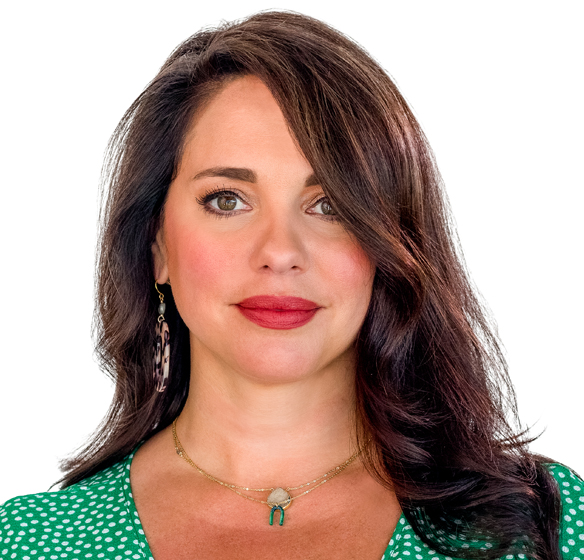
Remembering my roots on National Rural Health Day
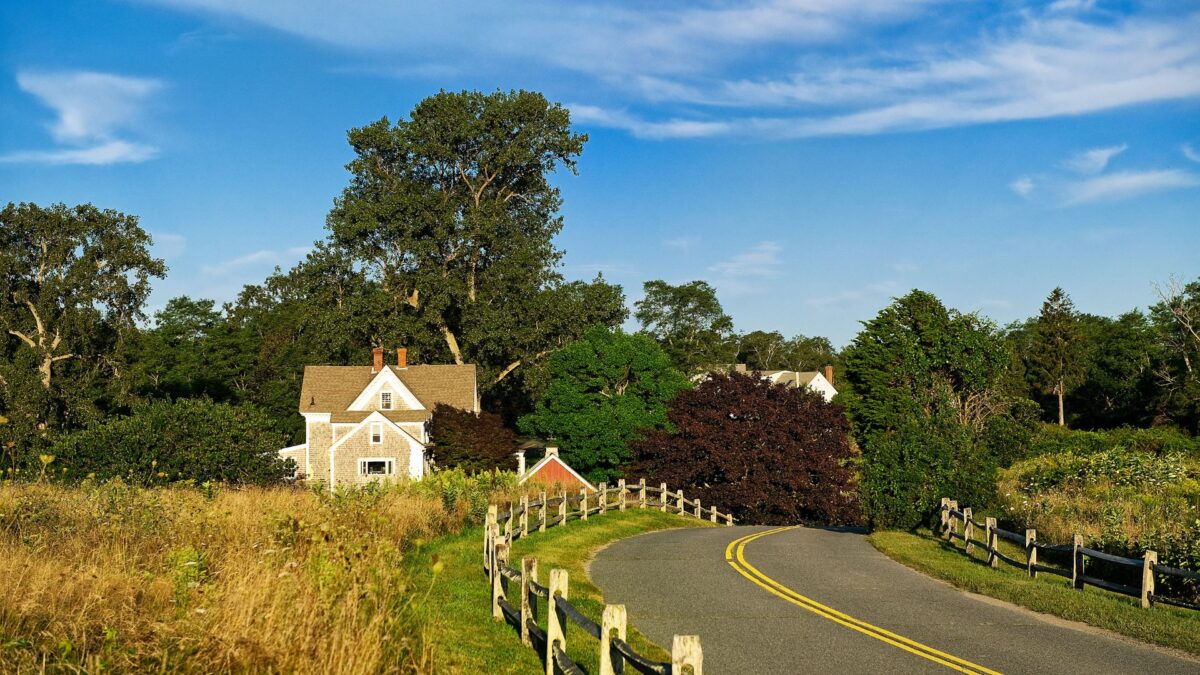
I grew up on a small farm in rural Mississippi with big dreams of moving to the city one day; I was determined to leave a place where everything seemed to smell like a barn and I rode a horse rather than a bicycle to go play with the closest “neighbors” over a mile away.
Fast forward to the present: I have worked all over the world and across the United States, including living in Midtown Atlanta for over two decades with additional stints in New York and San Francisco. Despite access to so much culture, sophistication, and – above all – convenience, rural life started to call me back during the COVID pandemic. Luckily, my employer allowed me to relocate, and I resettled in a small fishing village in Coastal Georgia. I’ve never been happier, more at ease, or more fulfilled personally – and my co-workers joke they now get a better, more productive version of me: “a kinder, gentler Jen.”
While I thrive on the tranquility and slower pace of life here that you find in so many parts of rural America versus urban centers, when it comes to managing my and my family’s health, the old adage of having to “go the extra mile” doesn’t even come close. It’s more like 50 miles. One way.
For me, that geographical challenge is mostly just inconvenient — time wasted, wear and tear on my car, and, frankly, the anxiety of driving so far on a busy and dangerous stretch of interstate, just to get to an urgent care. And if I need to see my gynecologist, ENT doc, or primary care physician, the commute doubles.
But I am in good health, no longer in my child-bearing stage of life, have my own transportation, and work for an employer who offers me the flexibility to prioritize my and my family’s healthcare appointments and needs. Those factors alone have shown me how incredibly fortunate I am, and I never really appreciated it until moving back to “the country.”
But my healthcare experience is a far cry from the majority of people in rural America. Transportation is elusive for many; taking a day off for a doctor’s appointment means rent or utility bills can’t get paid; and often choices have to be made between basic preventive care and Christmas presents for the kids. I see that struggle every day in the smiling faces and calloused hands of hard-working neighbors I now am lucky enough to call friends. And while I always knew those of us working in healthcare needed to “do better” on behalf of America’s rural working class, living in the same close-knit community has given me perspective I lacked, even though I grew up on a dirt road.
So, today, on National Rural Health Day, I would ask you to reflect on the current state of things – not simply my anecdotal observations at the village’s dollar store (which doubles as our only “grocery”), but real data.
Earlier this week, the Commonwealth Fund released a report finding that rural America will continue operating with only about two-thirds of the primary care physicians it needs for at least the next 12 years, leaving 43 million people in areas with inadequate access. Nearly all rural counties now qualify as primary care shortage areas — 45% have five or fewer doctors, and about 200 have none at all. Then consider specialized physicians like OB/GYNs: The data is bleak, at best. And, as a result, women and babies are dying… in America. That’s not hyperbole; that is fact.
These are just a few of the reasons why we at Sharecare took notice when CMS launched the Rural Health Transformation (RHT) Program in September 2025. Hailed as one of the most ambitious federal efforts to modernize rural healthcare delivery in decades, it’s an opportunity for the states to design a plan that expands access, strengthens the workforce, and deploys technology to improve quality and sustainability for their residents.
At Sharecare, we have committed to meeting this moment by building a next-generation, clinically validated, and AI-enabled health navigation platform, AskMD – and also developed the AskMD Rural Health Transformation Kit, a resource mapped directly against CMS’s RHT Program framework to help state take action. You can read more about those efforts in a recent blog from our president and chief marketing officer, Dawn Whaley. But today, on National Rural Health Day, I hope you join me in feeling an urgency to fight – not for the nebulous “rural America,” but for the nearly 80 million human beings in our country who do not have access to the essential care that so many of us take for granted.
Now more than ever, all Americans need – no, deserve – a connected, sustainable healthcare system leveraging technology and new models to make access simpler, smarter, more affordable, and personalized for them and their families. And as we architect that future, it’s incumbent on each of us in the healthcare industry to ensure that we don’t leave our friends in rural America behind.